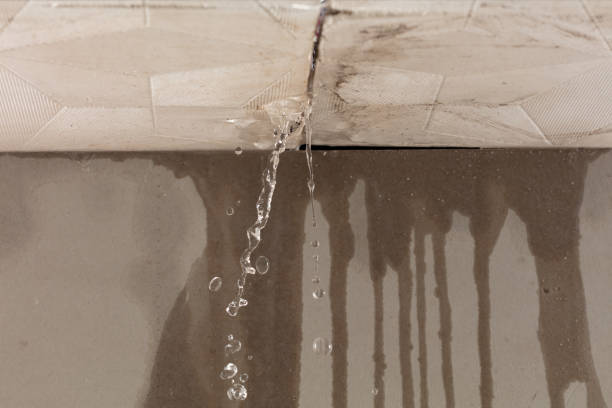
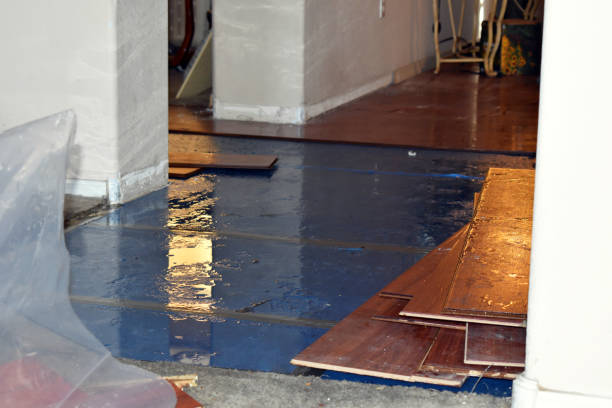
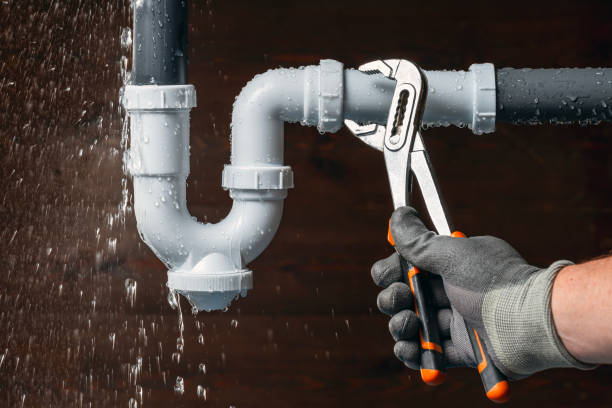
A washing machine hose lets go at 2am and suddenly your Richmond laundry room is underwater — that's the exact moment our dispatch line is built for, with a technician routed before you've finished mopping the first puddle.
Call +1-844-578-1604
Avg. arrival under 60 minutes in Richmond
Written estimate, no hidden line items
IICRC-certified technicians on every truck

We run our Richmond operation on IICRC-certified technicians and commercial-grade equipment, not a subcontractor list we pull from when the phone rings.
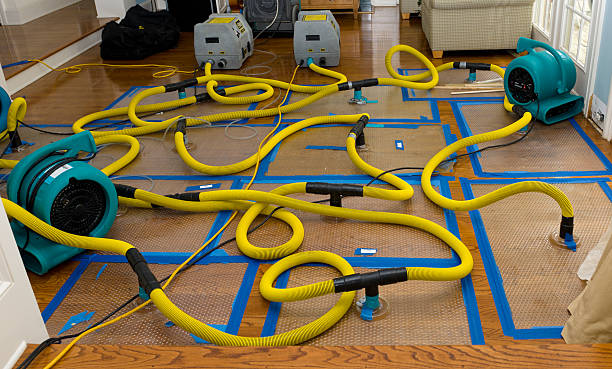
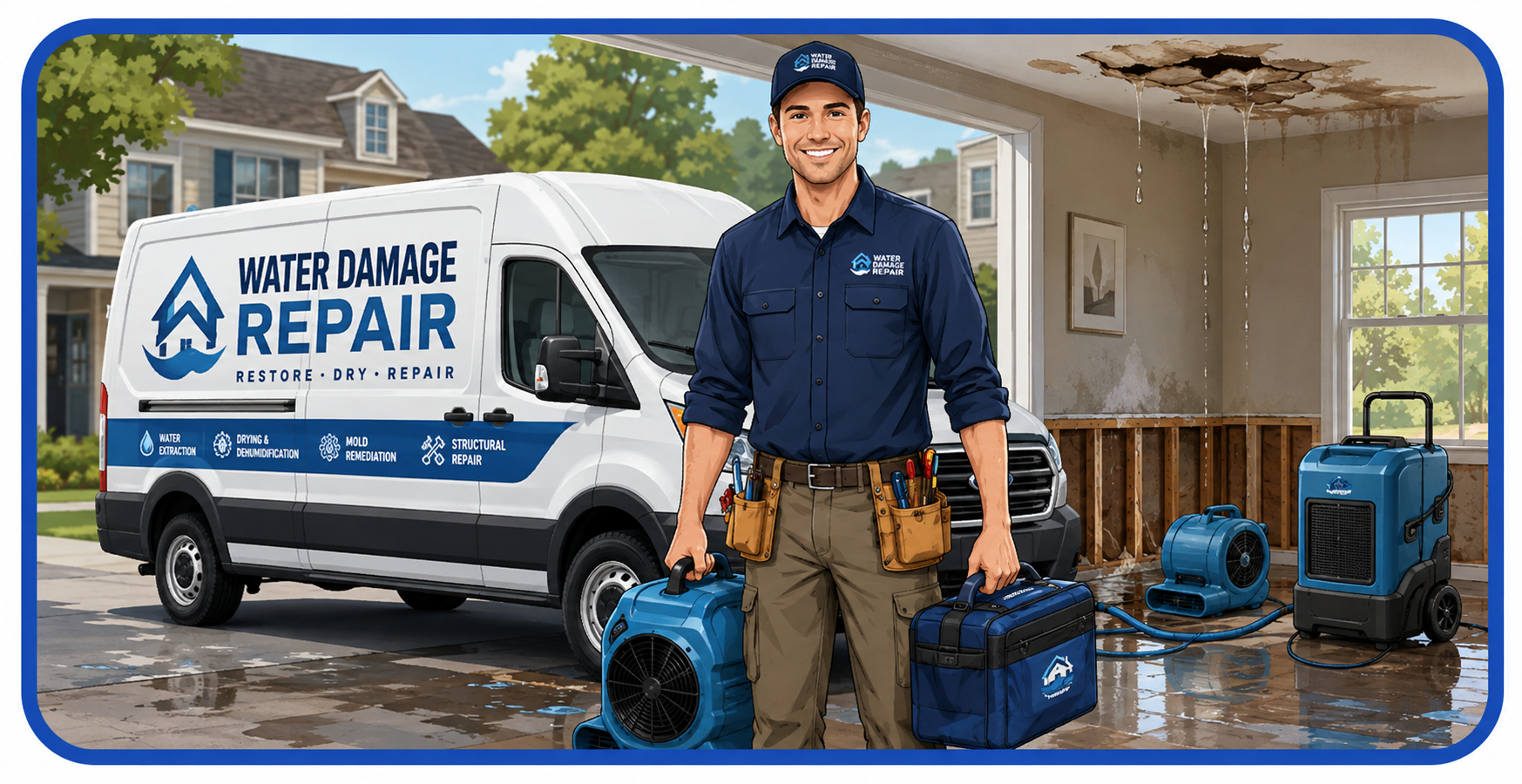
Every Richmond truck carries moisture meters, thermal cameras, and both standard and low-grain-refrigerant dehumidifiers, because a one-size drying setup doesn't work for every kind of Richmond home.
We also keep documentation formatted the way insurance adjusters actually want to see it, since most of our jobs end up crossing an adjuster's desk at some point.
Water damage rarely starts as a dramatic flood — it usually starts small, and these are the signs worth acting on before the damage spreads further.
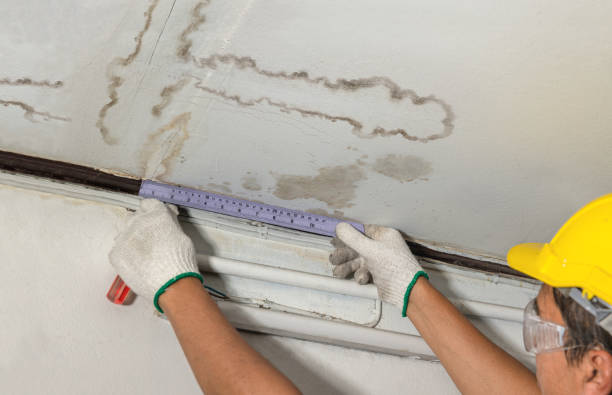
Fresh paint over an old stain can hide the problem visually for a month or two, right up until the drywall paper backing gives out.
If a dehumidifier and open windows don't clear the smell within a day or two, there's an active moisture source that ventilation alone won't solve.
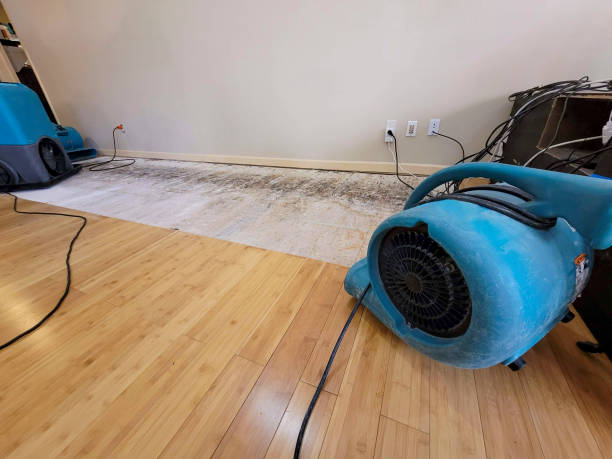
Hardwood cupping at the edges, laminate lifting at the seams, or carpet that stays spongy days after you last noticed water — all three point to moisture sitting against the subfloor.
A sudden increase in usage with no change in household habits is often the earliest sign of a slab leak, well before any visible water shows up.
Bubbling near a window frame frequently traces back to a failed seal letting water in gradually.
A small patch of mold in a corner or along a baseboard means conditions behind that surface have supported growth for a while — the source needs to be found, not just wiped away.
Catching two or more of these signs at once usually means it's past time for a proper inspection.
Treating Structural Drying as a single continuous job, rather than a series of handoffs, is what keeps timelines shorter and documentation consistent.
The equipment on our trucks scales up or down to the job, but the process — assess, extract, dry, verify, repair — doesn't change.
We treat extraction speed as the single biggest variable we control — every additional hour of standing water raises the odds of secondary damage.
Air movers and dehumidifiers get placed according to psychrometric readings taken at assessment, not a default layout used on every job regardless of conditions.
Blackwater intrusions call for full PPE, controlled removal of porous materials that can't be sanitized, and hospital-grade disinfection before any reconstruction starts.
We treat the 48-hour mold window as a deadline for our own drying timeline, not a talking point.
Reconstruction starts from the actual drying documentation, not a fresh guess, which keeps the repair scope accurate.
We inventory and relocate contents that need to leave the affected area, then coordinate their return once the space is verified dry.


Four steps, no guesswork — here's exactly what happens between your call and a verified-dry structure.
Dispatch gathers just enough detail to load the right equipment before the truck leaves the lot.
Moisture meters and thermal cameras trace exactly how far water has traveled, including inside walls and under flooring where it's invisible to the eye.
Equipment placement follows the specific psychrometric numbers from assessment, not a generic pattern used on every job.
Every affected area gets re-tested before we call the job complete — no shortcuts on the sign-off.
We built the checklist below around the actual complaints people have about restoration companies in general, then made sure Aqua Guard Water Damage doesn't repeat them.
Every technician carries IICRC certification, and every crew works fully insured — documentation available whenever you want it.
Shorter drive times matter most in the first hour after a loss, which is exactly when local staging pays off.
The number we quote is the number you pay, regardless of how long the drying cycle runs.
A guarantee only counts if it's backed by a second moisture reading, not just good intentions.
Every job closes with documented moisture verification, because a promise without data behind it isn't much of a promise.
Technicians aren't rewarded for closing jobs quickly, which keeps the incentive pointed at actually finishing the drying right.
Call +1-844-578-1604Our Richmond service radius covers 84333, with trucks positioned to reach any address quickly, not just the neighborhoods closest to a single office.
Coverage extends past the city core into the surrounding Richmond suburbs, so an outlying address isn't treated as a second-tier call.

"I've dealt with contractors before who talk a big game and disappear. The crew here in Richmond actually showed up on time and stayed in touch through the whole drying process."
Renee A., Richmond"The daily moisture log gave me something concrete to look at instead of just being told to trust the process."
Owen D., Richmond"The sewage backup in our basement bathroom got the full PPE-and-disinfection treatment, and they walked me through exactly why certain materials had to go."
Fatima J., Richmond"The reconstruction crew matched our original flooring almost exactly after the repair — you'd never guess there was ever a leak."
Lucas P., Richmond"The thermal scan caught damage behind a cabinet that could have turned into a much bigger mold problem if it went unnoticed."
Grace T., Richmond"Our office flooded overnight and industrial equipment was already running before our staff arrived for the morning shift."
Nathaniel W., Richmond"The technician explained exactly which boards needed to go and which tested dry enough to keep, so we didn't overpay for the repair."
Bianca H., Richmond"They explained the crawl space drainage issue in plain terms instead of technical jargon, and fixed it on the spot rather than scheduling a separate trip."
Derek S., Richmond"They found the actual source of the leak instead of just drying the surface damage, which saved us from the same problem happening again in a month."
Melissa C., Richmond"Being out of town when it happened was stressful enough — having a crew that could work directly with our property manager made it manageable."
Victor N., Richmond